
Why Is My Electric Bill So High in Winter?

Heating is the main reason winter bills jump, especially heat pump backup heat and space heaters. The figures behind each cause and how to fix it.
 Daniel Moreno Terreros
Heating is the main reason winter bills jump, especially heat pump backup heat and space heaters. The figures behind each cause and how to fix it.

Free changes, cheap upgrades and bigger investments that cut an electric bill, with the saving for each worked out at the US average rate.
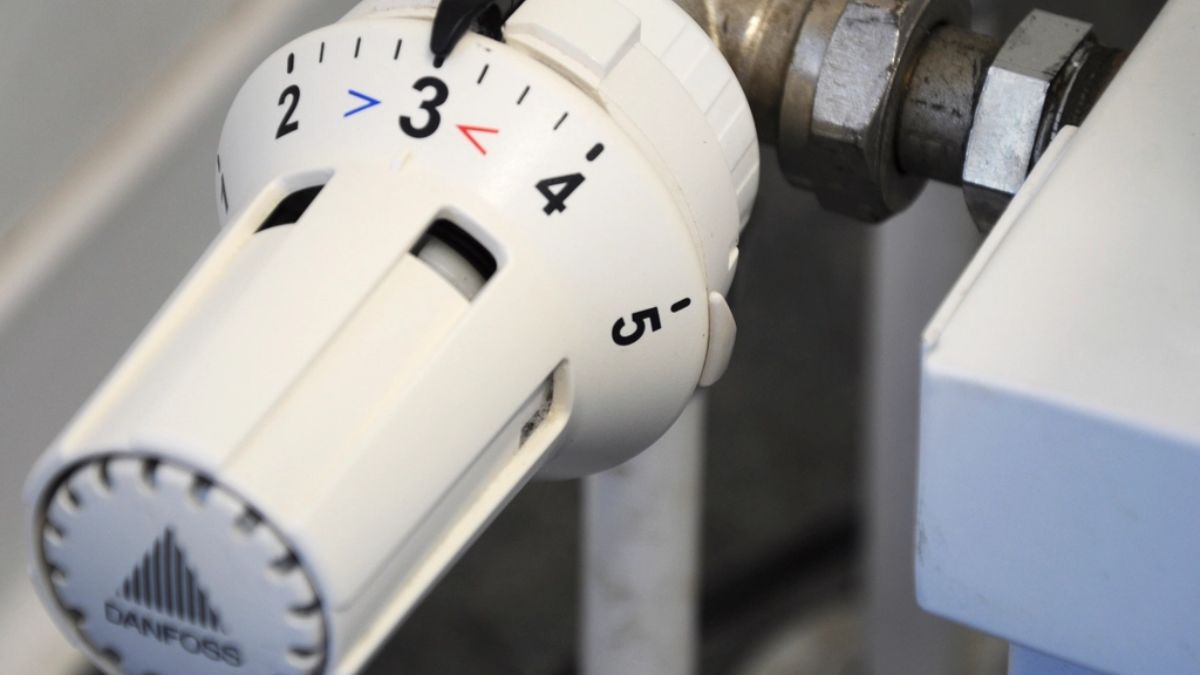
Your tariff, boiler flow temperature, heating controls, laundry and cooking habits, plus the grants and support available in 2026.

Boiling a litre of water uses about 0.11 kWh, around 3p under the price cap. The cost per cup, per full kettle and per year.

A compact compressor dehumidifier costs about 5p an hour under the price cap. Costs by type and how it compares with a tumble dryer.
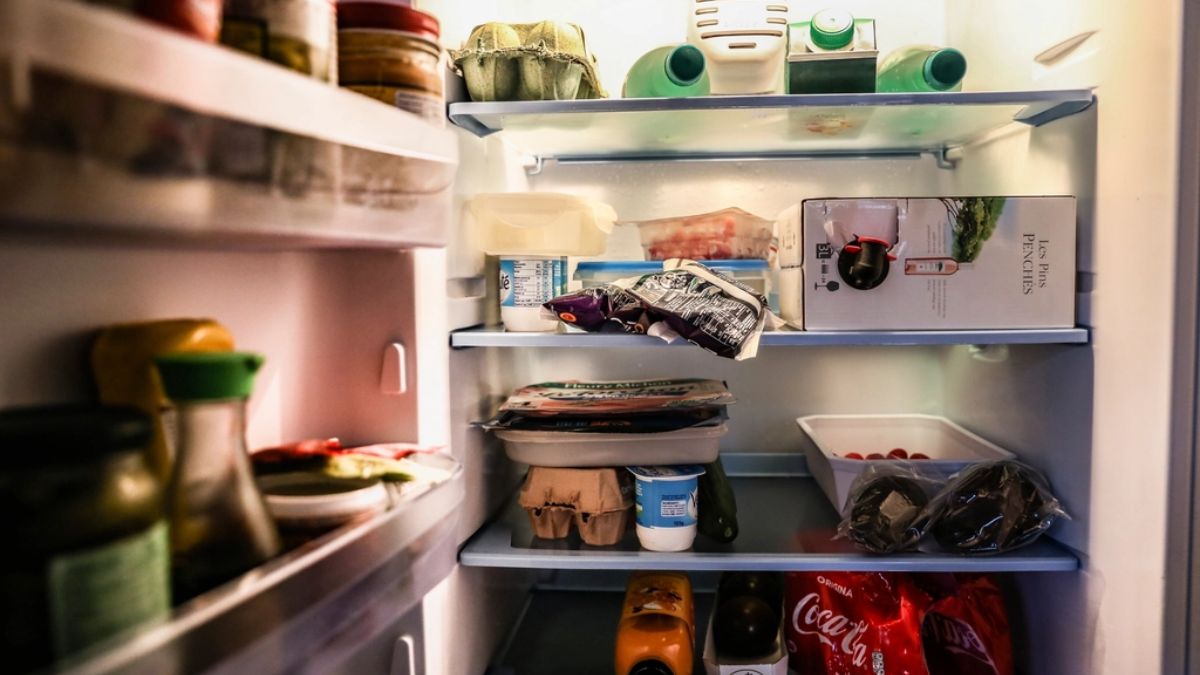
A typical new refrigerator uses about 450 kWh a year. Here is what that costs, how older and larger fridges compare, and how to cut it.

A 2.5 kW electric oven costs up to about 66p an hour at full power under the price cap; a typical meal is closer to 37p. Costs and cheaper alternatives.
A 1,500 W air fryer costs about 9 cents (US) or 13p (UK) for a 20-minute cook. Costs by wattage and how to use it efficiently.
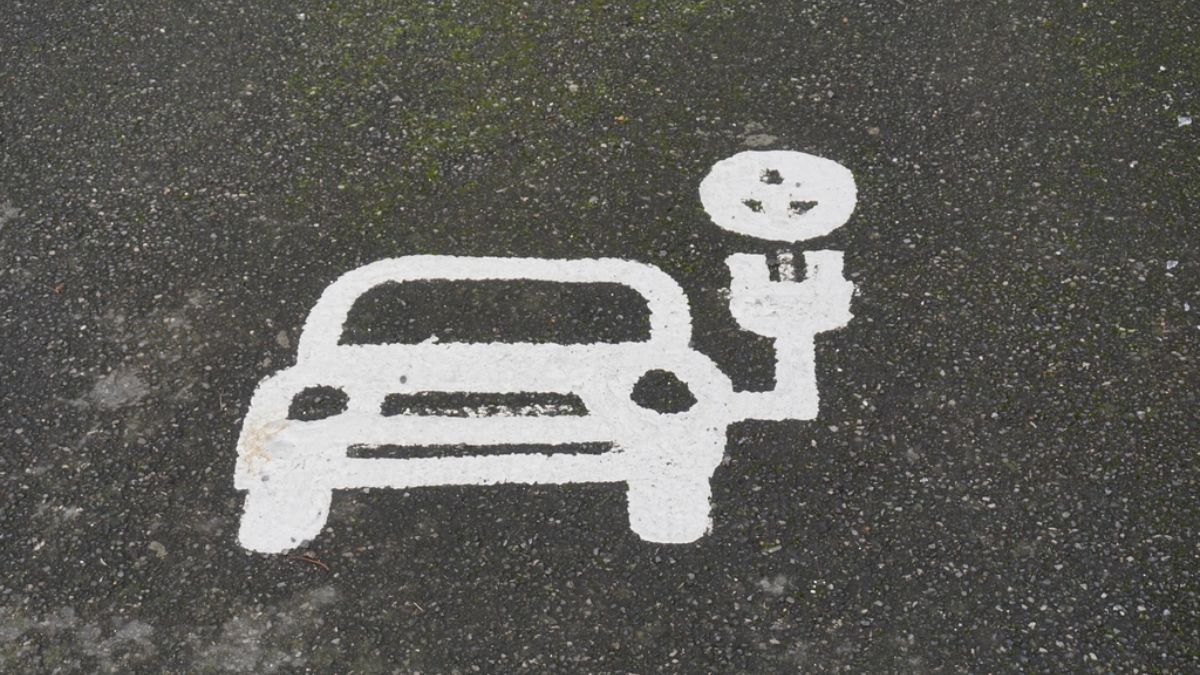
Charging at home costs about 6 cents a mile at the US average rate. Costs per charge and per month, by state, and how to cut them.
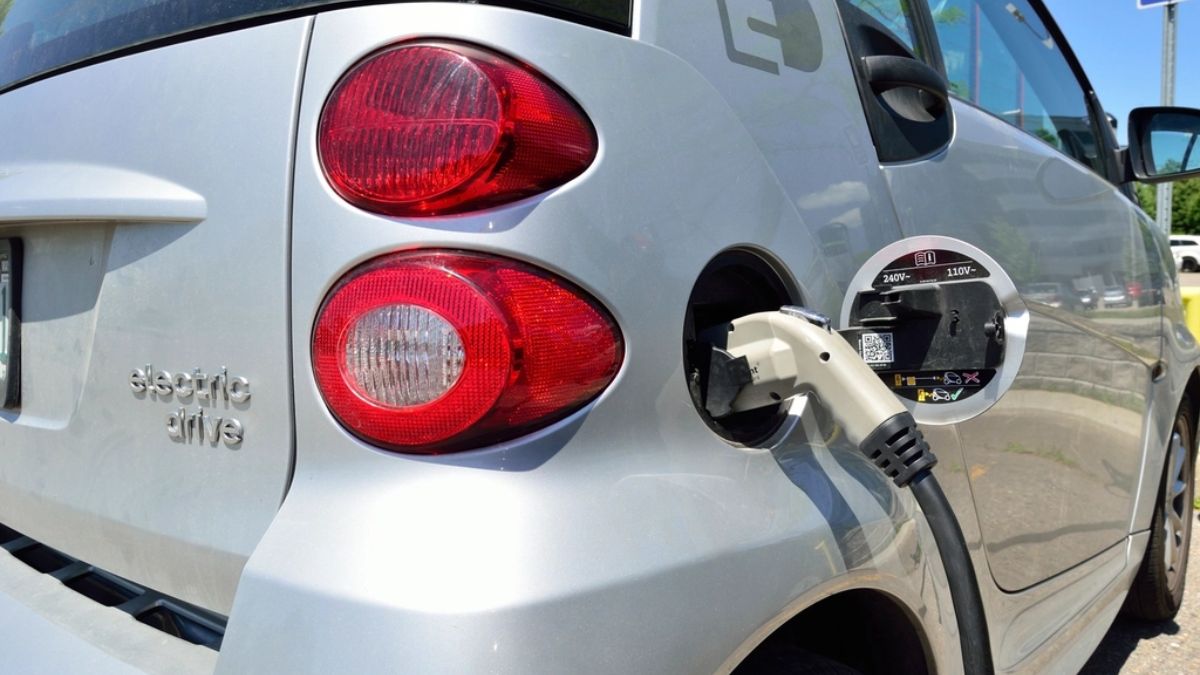
At the price cap, home charging costs about 8p a mile; an off-peak EV tariff can cut that to a third. Costs per charge and per month.