
Quick answer: Start with your tariff (a fixed deal below the price cap can beat a standard variable tariff), then your heating: thermostat, timer, radiator valves and a lower boiler flow temperature. After that, cut the big electricity users: tumble dryer, electric shower, oven and plug-in heaters. Check which grants and support schemes you qualify for.
Under the October to December 2026 price cap, electricity costs up to 26.32p per kWh plus 54.83p a day, and gas 7.97p per kWh plus 29.68p a day, for a typical household paying by Direct Debit.
Your tariff and bill
- Compare fixed deals. If you are on a standard variable tariff, a fixed deal priced below the cap protects you from future rises. Check exit fees and the length of the fix.
- Pay by Direct Debit; it is usually cheaper than paying on receipt of a bill.
- Give regular meter readings or use a smart meter, so bills are based on what you actually use.
- Check you are on the right tariff type. Economy 7 only pays off if you use a good share of your electricity overnight.
Heating and hot water
- Turn the thermostat down by 1°C, keeping the rooms you use at a comfortable level (the UK Health Security Agency advises at least 18°C in cold weather).
- Use the timer to heat the home only when you need it. See heating on all day or on and off.
- Lower your combi boiler’s flow temperature to around 60°C or below, so a condensing boiler works more efficiently. Check your manual or ask an engineer, especially if you have a hot water cylinder.
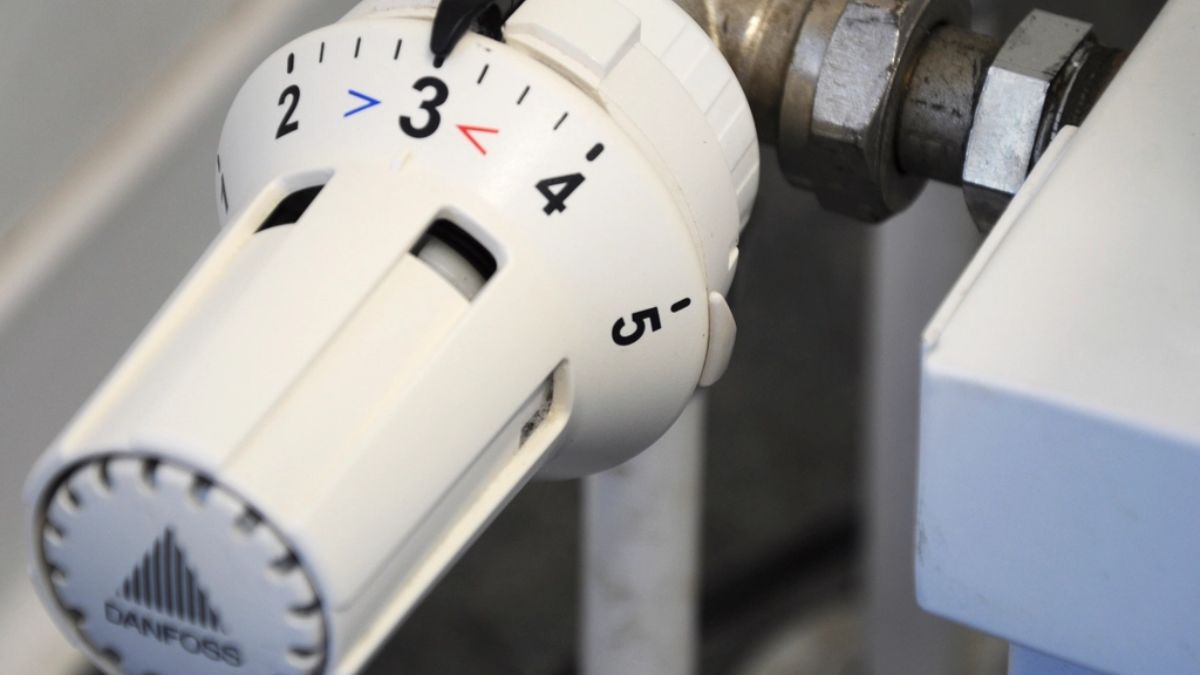
- Use thermostatic radiator valves to keep spare rooms cooler.
- Bleed radiators and keep furniture away from them.
- Draught-proof doors, windows, letterboxes and floorboards.
- Take shorter showers; an electric shower draws 8 to 10.5 kW, so 10 minutes at 9 kW uses 1.5 kWh, about 39p.
Cutting electricity use
- Use the tumble dryer less. A full load in a condenser dryer costs about £1.18. See tumble dryer costs.
- Wash at 30°C and run full loads.
- Boil only the water you need. See what a kettle costs.
- Use the air fryer or microwave for small meals instead of the oven: oven costs compared.
- Switch devices off at the wall rather than on standby.
- Swap remaining halogen or incandescent bulbs for LEDs.
Grants and support
- Warm Home Discount and other support for eligible households: check with your supplier and GOV.UK.
- Priority Services Register: free extra help from your supplier and network if you are older, disabled or have young children.
- Home upgrades: the Boiler Upgrade Scheme offers £7,500 towards an air or ground source heat pump in England and Wales (£9,000 for eligible homes off the gas grid until 31 March 2027), and the Warm Homes Plan funds insulation and other upgrades.
If you are struggling to pay, contact your supplier early to agree a payment plan; suppliers must offer help to customers in difficulty.
A real example: a three-bedroom semi
Ofgem’s typical household uses 2,700 kWh of electricity and 11,500 kWh of gas a year, about £1,723 a year at the current cap. Here is what a few changes could be worth for a home like that:
- Turning the thermostat down by 1°C: around 10% of the gas heating, roughly £80 to £90 a year.
- Lowering the combi boiler flow temperature to about 60°C: often 6 to 8% of gas use, around £50 to £70.
- Cutting tumble dryer use by two loads a week: about 460 kWh, roughly £120.44.
- Four-minute showers instead of eight with an electric shower (9.5 kW, once a day): about 230 kWh, roughly £60.84.
None of these need new equipment, and together they can take £300 or more off a typical annual bill.
Check what help you can get
- The Warm Home Discount gives eligible households a rebate on their electricity bill in winter.
- Winter Fuel Payment and Cold Weather Payments may apply to pensioners and people on certain benefits.
- Your supplier may have a hardship fund if you are struggling to pay. Contact them early.
- Insulation and heating upgrades may be available through government or energy supplier schemes. Check gov.uk for the schemes open in your area and whether you qualify.
More questions readers ask
Should I switch to a fixed tariff?
Only if the fixed rates are below the price cap and the exit fees are reasonable. Compare the unit rates and standing charges, not just the estimated annual cost.
Is a smart meter worth having?
A smart meter ends estimated bills and shows your usage in near real time on the in-home display, which makes it easier to see what uses the most energy.
Sources
- Ofgem, Energy price cap.
- Energy Saving Trust, Boiler Upgrade Scheme.
- UK Health Security Agency, cold weather health guidance.
- Our methodology.