
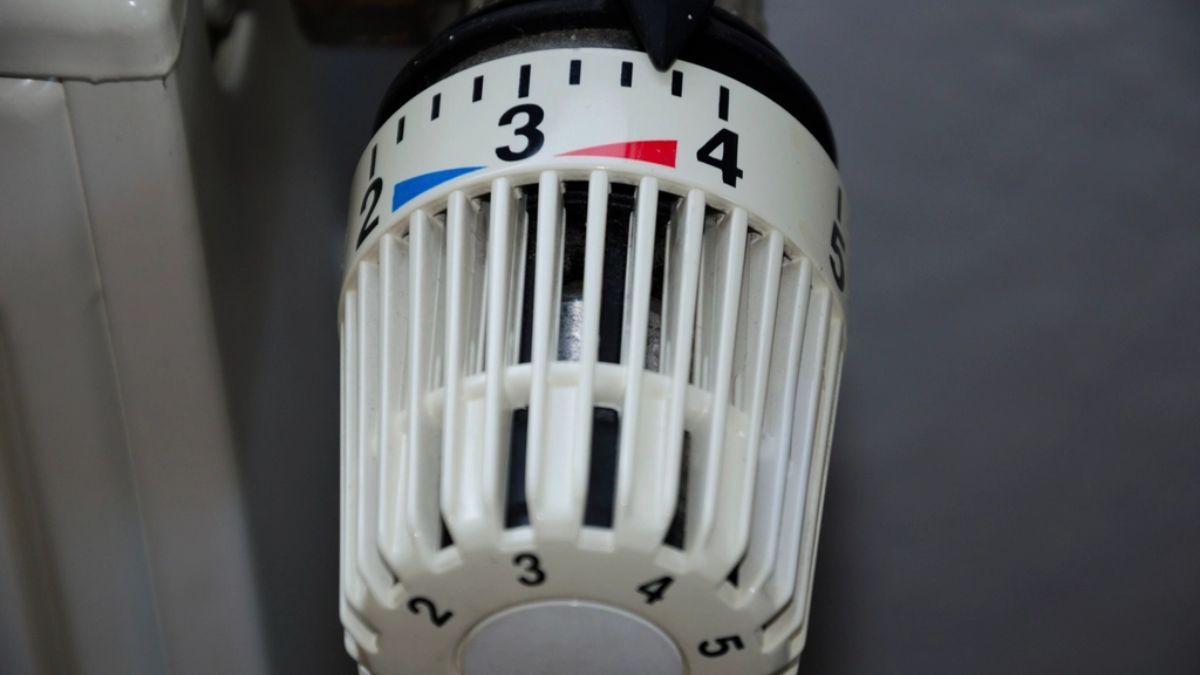
Quick answer: For most homes with a gas boiler, it is cheaper to heat only when you need it, using a timer, than to leave the heating on low all day. A warm house loses heat faster than a cool one, so keeping it warm when nobody needs the heat wastes energy. Heat pumps are the main exception: they work best running low and steady.
Why on-and-off usually wins
A home loses heat through its walls, roof, windows and draughts, and the rate of loss depends on the difference between the inside and outside temperatures. The longer the house is kept warm, the more heat it loses overall, and every unit of lost heat has to be replaced by the boiler. Heating it back up later takes energy, but less than keeping it warm all the time. The Energy Saving Trust has long described “leave it on low all day” as a myth for typical homes.
The exceptions
- Heat pumps are most efficient at low, steady output. Big setbacks can force them to work harder or switch to backup heat, so the usual advice is to leave them running with small or no setbacks.
- Very well-insulated homes lose heat slowly, so the difference between the two approaches shrinks.
- Underfloor heating responds slowly and is usually run on longer, gentler schedules.
- Damp or vulnerable households: keeping some background warmth can help prevent condensation and protect health. The UK Health Security Agency advises heating the rooms you use to at least 18°C in cold weather.
The settings that work best
- Set the timer to bring the heating on about 30 minutes before you need it and off about 30 minutes before you leave or go to bed.
- Set the room thermostat to the lowest comfortable temperature, often 18 to 21°C.
- Use radiator valves to keep unused rooms cooler.
- Lower the boiler’s flow temperature to around 60°C or below on a combi boiler.
- Use a smart thermostat if your schedule varies.
If you heat with electricity
Plug-in heaters cost far more per unit of heat than gas: 26.32p per kWh against 7.97p for gas under the current price cap. A 2 kW heater costs about 53p an hour at full power. See electric heater running costs.
A worked example
Consider a home that needs heat in the morning (6.30 to 8.30am) and evening (5 to 10.30pm). With a timer, the boiler heats the house for those 7.5 hours plus a short warm-up each time. Left on low all day, the house is kept warm for 24 hours, and because it is warmer than the outside for longer, it loses more heat in total.
The Energy Saving Trust and boiler manufacturers agree that for a typical gas boiler and an averagely insulated home, heating only when you need it uses less gas. The saving depends on how well the house holds heat: the leakier the house, the more you save by switching off when nobody is home.
Rule of thumb: heat loss depends on the difference between inside and outside temperature, and on how long that difference lasts. A cooler house for more hours means less energy lost.
Setting up your controls
- Set the timer to come on about 30 minutes before you get up or get home.
- Set the room thermostat to the lowest comfortable temperature, often 18 to 20°C.
- Use thermostatic radiator valves to keep bedrooms and unused rooms cooler.
- Lower your combi boiler’s flow temperature to around 60°C so it runs more efficiently.
- In very cold weather, consider a lower setback temperature overnight instead of switching off completely, to protect pipes and avoid damp.
More questions readers ask
Does leaving the heating on low prevent damp?
Keeping the house reasonably warm helps prevent condensation and mould, but so does ventilation. A short burst of heating and opening windows briefly after cooking and showering is usually more effective than heating all day.
What about underfloor heating?
Wet underfloor heating heats up slowly, so it behaves more like a heat pump: steady, lower temperatures work better than switching on and off.
Sources
- Energy Saving Trust guidance on heating controls.
- UK Health Security Agency, cold weather health guidance.
- Ofgem, Energy price cap.