
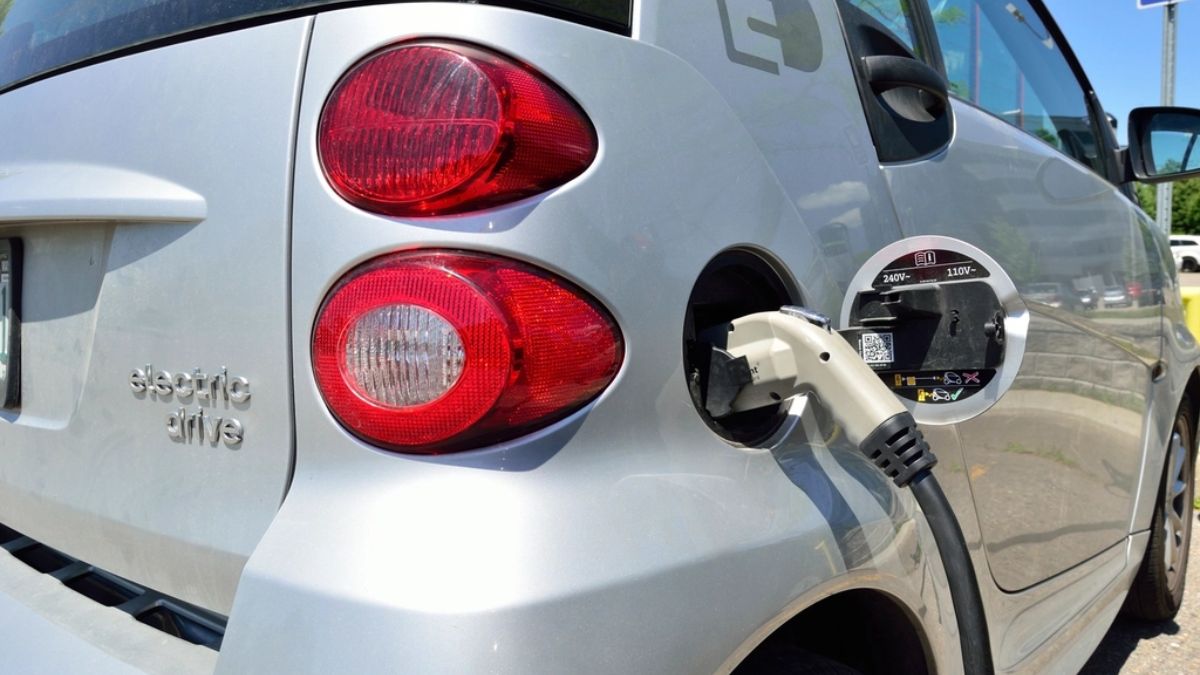
Quick answer: At the Ofgem price cap of 26.32p per kWh, charging an electric car at home costs about 8.0p per mile, assuming 3.3 miles per kWh including charging losses. Driving 800 miles a month adds about 242 kWh, roughly £63.69. On an off-peak EV tariff the same miles can cost a third of that or less.
Home charging costs at the price cap
| Charging | Energy | UK cost |
|---|---|---|
| Add 100 miles of range | 30 kWh | £7.97 |
| Charge a 60 kWh battery from 20% to 80% | 40 kWh | £10.53 |
| 800 miles a month | 242 kWh | £63.69 |
| 10,000 miles a year | 3,030 kWh | £797.50 |
The difference an EV tariff makes
Several suppliers offer EV and smart time-of-use tariffs with cheap overnight rates, often well under 10p per kWh during the off-peak window, in exchange for higher daytime rates. For illustration, at an off-peak rate of 8p per kWh, 800 miles a month (242 kWh) would cost about £19 instead of £63.69. Rates, windows and eligibility change often, so compare current offers and check how much of your other use falls in peak hours.
EV charging cost calculator
A 7 kW home charger draws about 7 kWh an hour. Enter your own tariff’s rate for the hours you charge.
Appliance electricity cost calculator
Find what an appliance costs to run, then add it to your monthly estimate.
- Per hour of use
- –
- Per day
- –
- Per year
- –
- Energy per month
- –
My monthly estimate
Add appliances to see how they add up on your bill.
Estimates only. Real costs depend on your appliance, how you use it and your tariff. See how we calculate.
How to charge for less
- Charge in the off-peak window using the car’s or charger’s schedule.
- Avoid three-pin charging for daily use: it is slow and tends to waste a little more energy.
- Precondition while plugged in.
- Keep to the charge level you need day to day, as your manufacturer recommends.
Home vs public charging
Public rapid chargers usually cost several times more per kWh than charging at home on the price cap, and far more than an off-peak tariff. Home charging is the cheapest way to run an EV in the UK.
Frequently asked questions
How much does a full charge cost at home?
Charging a 60 kWh battery from 20% to 80% draws about 40 kWh: around £10.53 at the price cap.
Does the standing charge change?
No. You pay the daily standing charge (54.83p a day under the current cap) whether or not you charge a car.
A real example: 8,000 miles a year
Driving 8,000 miles a year at 3.3 miles per kWh needs about 2,424 kWh of electricity. At the price cap rate that is about £638.06 a year. On an EV tariff with an overnight rate of, say, 7p per kWh, the same miles cost about £169.70, as long as you charge in the off-peak window.
A petrol car averaging 45 mpg would need about 808 litres for the same distance, roughly £1,100 assuming petrol at £1.38 a litre.
Choosing an EV tariff
- Check the off-peak hours and make sure they match when your car is at home.
- Compare the day rate as well: some EV tariffs charge more than the cap during the day.
- Check whether you need a smart charger or a compatible car for the tariff to work.
- Look at the standing charge, which can differ from the cap on some tariffs.
More questions readers ask
Can I charge from a normal three-pin socket?
Yes, for occasional use, at about 2.3 kW. It is slow, adding roughly 7 to 8 miles of range an hour, and the socket and wiring should be checked by an electrician if you use it regularly.
Is a home charger grant available?
Grants for home chargers are now mainly aimed at people who rent or live in flats. Check the Office for Zero Emission Vehicles on gov.uk for current schemes.
Sources
- Ofgem, Energy price cap.
- Our methodology.