
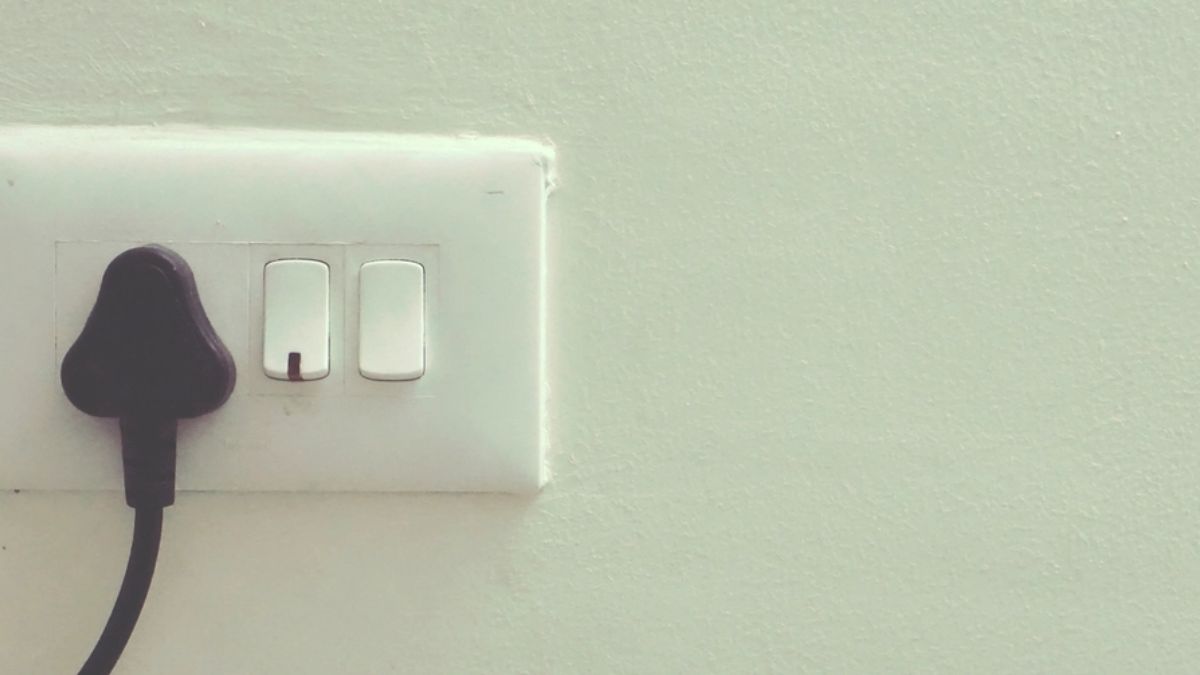
Quick answer: Phantom load (also called vampire power or standby power) is the electricity devices use while switched off or idle. Every 10 watts of standby running all year uses about 88 kWh, roughly $15.94 a year in the US and £23.06 in the UK. A home with 50 W of standby pays about $79.72 or £115.28 a year for nothing.
Most homes have dozens of devices that never fully switch off: TVs waiting for the remote, game consoles in rest mode, set-top boxes, chargers, smart speakers and anything with a clock or a light. Each one draws only a few watts, but they run 8,760 hours a year.
What standby power costs a year
| Total standby power | US per hour | US per day | US per year | UK per hour | UK per day | UK per year |
|---|---|---|---|---|---|---|
| 5 W | $0.001 | $0.02 | $7.97 | 0.1p | 3.2p | £11.53 |
| 10 W | $0.002 | $0.04 | $15.94 | 0.3p | 6.3p | £23.06 |
| 25 W | $0.005 | $0.11 | $39.86 | 0.7p | 16p | £57.64 |
| 50 W | $0.009 | $0.22 | $79.72 | 1.3p | 32p | £115.28 |
| 100 W | $0.02 | $0.44 | $159.43 | 2.6p | 63p | £230.56 |
The US Department of Energy notes that devices drawing power in standby can account for a noticeable share of a home’s electricity use, and many homes have between 25 and 100 watts of always-on load.
Common phantom load culprits
- Game consoles in “instant on” or rest mode. These can draw around 10 W or more while waiting for updates; switching to the energy-saving mode usually cuts this to under 1 W.
- Cable and satellite boxes, and DVRs, which often stay on to record and update.
- TVs and soundbars listening for the remote or a voice command.
- Desktop computers, monitors and printers left in sleep instead of off.
- Older chargers and power adapters that stay warm when nothing is plugged in.
- Appliances with displays such as microwaves and coffee makers with clocks.
How to find your own phantom load
- Use a plug-in energy meter on each device or power strip while everything is “off”. Most cost $20 to $40 (or £15 to £30).
- Read your smart meter at night. When everyone is asleep and the heating or cooling is off, the lowest reading is close to your always-on load (it also includes the fridge, which cycles).
- Add it up with our appliance cost calculator, entering the watts with 24 hours a day.
How to stop vampire power
- Turn off energy-hungry standby features such as “instant on” on consoles and quick-start on TVs.
- Use a power strip with a switch for the TV corner and home office, and switch it off at night.
- Try smart plugs or timer plugs for devices you only use at certain times. Note that a smart plug uses a little power itself, often around 0.5 to 1 W.
- Unplug chargers when nothing is charging.
- Do not switch off routers you rely on, fridges, freezers, alarms, medical equipment or anything the manufacturer says must stay powered.
Cutting 30 W of standby saves about $47.83 a year in the US or £69.17 in the UK. More ideas: 25 ways to lower your electric bill.
Frequently asked questions
Does unplugging appliances really save money?
For devices with a significant standby draw, yes, and it adds up over a year. For modern chargers with nothing attached, the saving is usually tiny, often well under a watt.
Is phantom load the same as standby power?
Yes. Phantom load, vampire power, standby power and idle load all describe electricity used by devices that are switched off or not in active use.
A real example: an entertainment corner
A TV, soundbar, set-top box, games console in rest mode and a streaming stick can together draw around 25 W while everything is “off”. Over a year that is about 219 kWh: roughly $39.86 in the US or £57.64 in the UK.
Putting them on a switched power strip that you turn off at night, while leaving the router on, removes most of that. Do the same in the home office (monitor, printer, speakers, chargers) and the saving roughly doubles.
What to leave plugged in
- Fridges and freezers, obviously.
- Routers, if other devices or smart home systems depend on them.
- Smoke and security systems and medical equipment.
- Devices that need to stay on to receive updates or recordings, unless you are happy to lose that feature.
More questions readers ask
Does a phone charger use electricity when nothing is connected?
A modern charger uses well under half a watt with nothing connected, so a single one costs only a few cents a year. Old, warm chargers can use more.
Is standby the same as off?
No. Standby keeps part of the device powered so it can respond to a remote or turn on quickly. Only switching off at the wall or the power strip stops it fully.
Sources
- U.S. Department of Energy, Energy Saver guidance on electronics and standby power.
- U.S. Energy Information Administration, Short-Term Energy Outlook.
- Ofgem, Energy price cap.