
Quick answer: A 2 kW electric heater running at full power for 8 hours uses 16 kWh, about £4.21 a night under the Ofgem price cap of 26.32p per kWh. A thermostat lowers that, but an electric blanket keeps you warm in bed for about 21p.
Overnight running costs by heater size
| Heater power | UK per hour | UK per day | UK per month |
|---|---|---|---|
| 500 W | 13p | £1.05 | £31.58 |
| 1,000 W | 26p | £2.11 | £63.17 |
| 1,500 W | 39p | £3.16 | £94.75 |
| 2,000 W | 53p | £4.21 | £126.34 |
| 3,000 W | 79p | £6.32 | £189.50 |
Fan heaters, convector heaters and oil-filled radiators all turn electricity into heat at the same rate per watt; what differs is how they spread the heat and how often the thermostat switches them on.
How much a thermostat saves
Example, not a measurement: if the thermostat keeps a 2 kW heater on 50% of an 8-hour night, it uses 8 kWh, about £2.11 instead of £4.21.
Electric heater vs gas central heating
Under the October to December 2026 price cap, gas costs 7.97p per kWh and electricity 26.32p. Heat from a gas boiler costs roughly a third as much per unit as heat from a plug-in heater, so heating a whole home overnight with electric heaters is usually the expensive option. Heating one room briefly while the rest of the house stays cool can still make sense.
Cheaper ways to stay warm at night
- Electric blanket or heated underblanket: about 50 to 150 W. See electric blanket costs.
- Warm the room before bed with a timer, then switch off.
- Close curtains and block draughts under doors.
- Use the lowest thermostat setting that keeps the room comfortable. The UK Health Security Agency advises heating the rooms you use to at least 18°C in cold weather, especially for older or vulnerable people.
Safety
- Plug heaters straight into a wall socket, not an extension lead.
- Keep them at least 1 metre from bedding, curtains and furniture, and never cover them.
- Choose models with tip-over and overheat cut-offs, and follow the manufacturer’s advice on overnight use.
Heater cost calculator
Appliance electricity cost calculator
Find what an appliance costs to run, then add it to your monthly estimate.
- Per hour of use
- –
- Per day
- –
- Per year
- –
- Energy per month
- –
My monthly estimate
Add appliances to see how they add up on your bill.
Estimates only. Real costs depend on your appliance, how you use it and your tariff. See how we calculate.
A real example: a cold bedroom in January
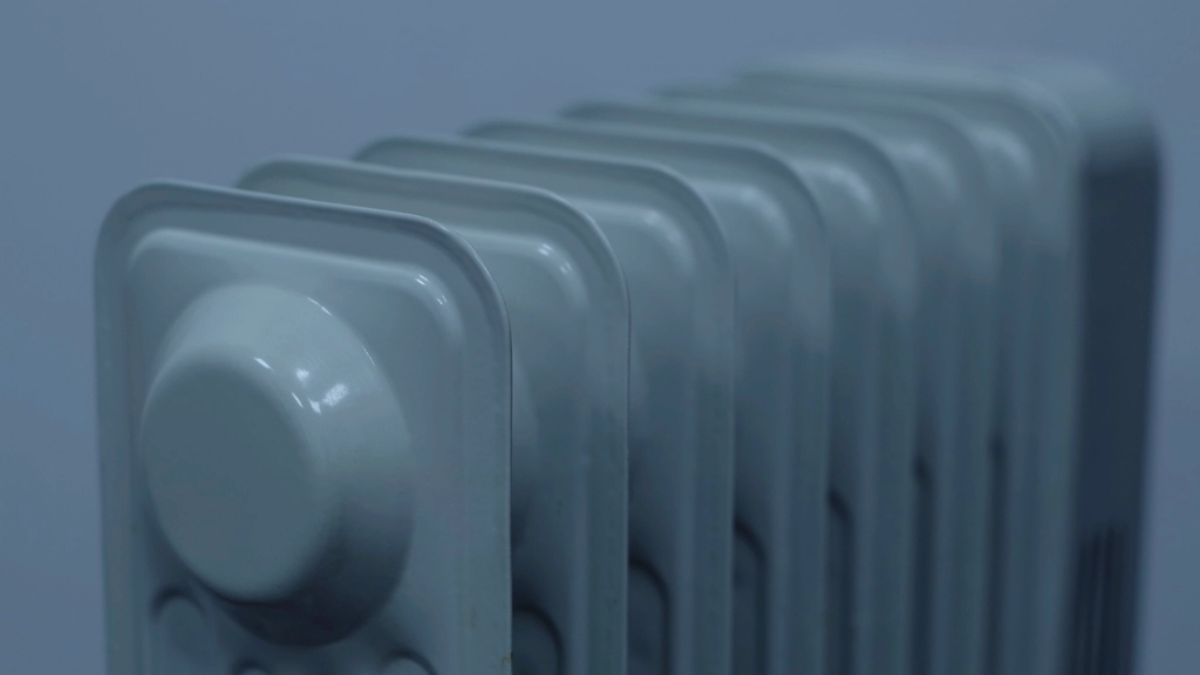
Say you use a 2 kW oil-filled radiator in a bedroom from 11pm to 7am. At full power that is 16 kWh, or £4.21 a night under the price cap. Over a 30-night month it adds up to about £126.34.
With its thermostat set to 16°C, a radiator like this usually runs about half the night once the room is warm, so a more realistic figure is £2.11 a night, or roughly £63.17 a month. Setting the timer to switch on an hour before bed and off at 3am cuts it further.
Compare that with a 100 W electric blanket on for the same 8 hours: 0.80 kWh, about 21p a night and £6.32 a month. If what you need is a warm bed rather than a warm room, the blanket wins by a wide margin.
Economy 7 and other off-peak tariffs
If your home is on an Economy 7 or similar time-of-use tariff, electricity used overnight is charged at a lower rate, often less than half the day rate. That makes overnight heating noticeably cheaper, but only if the heater runs inside the off-peak hours shown on your bill. Check the exact times with your supplier, because they vary by region and are not always midnight to 7am. Storage heaters are designed for these tariffs: they charge up overnight and release heat during the day.
More questions readers ask
Should I leave the heater on low all night or high for an hour?
For an electric heater, what matters is total energy used. A thermostat set to a modest temperature is usually cheapest, because the heater only runs when the room drops below it.
Is a fan heater or an oil-filled radiator cheaper overnight?
Per hour at the same wattage, they cost the same. An oil-filled radiator is quieter and releases heat gradually after it switches off, which suits bedrooms better.
What temperature should a bedroom be at night?
The UK Health Security Agency suggests keeping living rooms around 18°C in cold weather. Many people sleep comfortably slightly cooler, especially with good bedding.
Sources
- Ofgem, Energy price cap.
- UK Health Security Agency, cold weather health guidance.
- Our methodology.